
Work With Employment Services
Build a stronger, more inclusive workforce
Hiring skilled, motivated people with developmental disabilities creates a diverse, inclusive workforce.
With the right supports and resources, employees with developmental disabilities contribute valuable skills, loyalty, and diverse perspectives that enhance team performance. Inclusive hiring demonstrates social responsibility, improves employee engagement, and helps organizations better reflect the communities they serve.
To find out more, please email Angela McKinnon, Employment Services Supervisor, at AMcKinnon@GarthHomerSociety.org.
How We Support Employers
We can be there for employee on-boarding, orientation, and additional training when new tasks arise. We can help arrange more specialized, offsite skill training.
We have a team of employment specialists available as needed and long term, to support clients and employers alike.
On our website, in our newsletters, in the success stories we share with funders. You will be recognized as a supportive and inclusive workplace.
Onsite visits to help fill potential labour gaps in your workplace. Improve productivity and alleviate pressures on the current staff.
Frequently Asked Questions
How is hiring a person with developmental disabilities different than hiring anyone else?
This is an opportunity to hire motivated employees, with free on-site training and on-call support available from our Job Coaches. Experience a supported recruitment process, with a Job Coach available as an extra resource, assisting from interviews and orientation to the ongoing training of the employee.
What does a job coach do?
A Job Coach assists individuals in familiarizing themselves with their new job routine and tasks. The goal is for the Job Coach to fade away and the individual be independent in their work tasks. When and how quickly the job coach fades away depends on the individual and the business’s needs.
What kinds of accommodations will I have to make for a person with disabilities?
It’s important to note that not all of our clients require accommodations. If required, our Job Coaches can assess your worksite and make suggestions ranging from working shorter shifts, task tracking lists, signage, and extended training support. These simple accommodations not only benefit the individual, but also increase efficiency for all employees at the workplace.
What if you don’t have any jobs available currently?
Our clients come from diverse skill sets and experiences that often fit tasks at workplaces that are overlooked or repetitive in nature. To bridge this gap, we recommend Job Coaches visit the worksite to further understand the workplace needs, and propose a customized role to fit that gap.
You’ve previously had a negative experience hiring an individual with a disability…What makes this time different?
Luckily, our services have no end date – meaning our Job Coaches are here to support for any period of time needed. This support could look like check-in calls, assisting in new trainings/tasks and addressing workplace concerns until the employer and employee feel fully confident in the job role assigned.
What about liability?
As an employer, you already provide a safe workspace through WorkSafe BC and general insurance coverage. Hiring an individual with a disability does not increase your liability.
What happens if the employee has issues related to performance or needs to be dismissed?
Continue to follow the same workplace procedures you would for any other employee. If the performance concern or reason for dismissal is disability-specific, our job coaches are available to support and collaborate on with you to find accommodative solutions that work for everyone.

Resources
The following learning resources can provide clear guidance, tools, and best practices to confidently hire, onboard, and support employees with developmental disabilities.
Garth Homer Learning Resources:
Additional Learning Resources:
- Accessible Employers | Leaders Creating Accessible Employment
- Employers (Resources) | Canadian Association for Supported Employment
- Inclusive Employment Checklist | Inclusion BC
- Employers | CanWork BC
- Core trainings from Untapped Accessibility | Untapped Accessibility
- Autism and Neurodiversity in the Workplace | Centre for Interdisciplinary Research and Collaboration
Work Experience Placements
Work experience placements provide adults with developmental disabilities the opportunity to build practical skills, confidence, and independence in real workplace settings. Through supportive, structured placements, participants gain hands-on experience, explore career interests, and develop job-ready skills such as teamwork, communication, and time management. Employers benefit from dedicated contributors while fostering inclusive workplaces, and participants are better prepared for long-term, meaningful employment.
Work Experience Placement
Frequently Asked Questions
What is a work experience placement?
A work experience placement is a short-term opportunity for an individual to volunteer or shadow in a workplace to gain exposure to real job settings. It’s a chance for them to develop practical skills, understand workplace expectations, and explore career interests, all while being supervised by their job coach till the client feels more independent.
Is the placement paid?
No, work experience placements are typically unpaid. However, the goal is to help individuals gain valuable experience that may lead to future employment, either within your organization or elsewhere.
What kind of tasks can the participant do?
Participants can assist with a variety of entry-level or supervised tasks such as:
- Filing and organizing documents
- Data entry
- Answering phones or greeting visitors
- Stocking or inventory tasks
- Light cleaning or tidying
- Assisting with general office duties
All tasks should be appropriate to their skill level and supervised by the job coach as needed.
How long is the placement?
The placement length can be flexible and based on your availability and needs. Typically, participants attend 2–4 hours per week over a period of a few weeks to a few months.
Do we need to train the participant ourselves?
You’ll only need to provide basic task instructions or a simple orientation. If additional training or support is needed, the participant’s Job Coach (Vocational Counsellor) can step in to assist. The coach can provide free on-site guidance to ensure the participant learns effectively and meets your expectations.
Are there any costs or liabilities for the employer?
There are no costs to the employer. Our organization can help ensure proper coverage or documentation is in place where applicable.
What kind of support does the participant receive?
Each participant is supported by a Vocational Counsellor, who can help with:
- On-site coaching and training: Helps the participant learn tasks directly at the workplace.
- Skill development: Teaches and reinforces soft skills like communication, time management, and teamwork.
- Confidence building: Provides encouragement, feedback, and emotional support.
- Goal setting: Helps the participant set and achieve work-related goals.
- Problem-solving: Assists with challenges that may arise, such as adapting to routines or expectations.
What are the benefits to my business?
- Contribute to community development
- Gain extra help in your workplace
- Preview a potential new hire
- Support someone working toward self-sufficiency and job readiness

What’s Happening in Employment Services
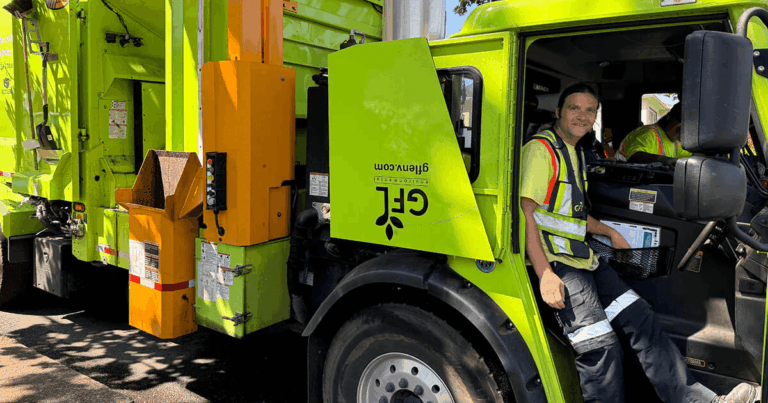

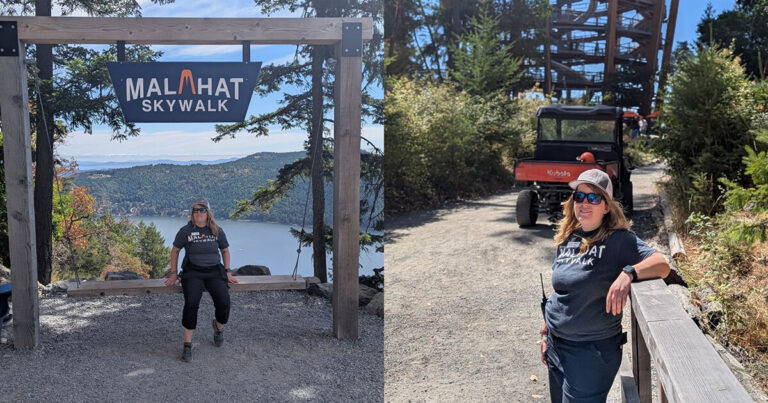
What’s Happening in Employment Services
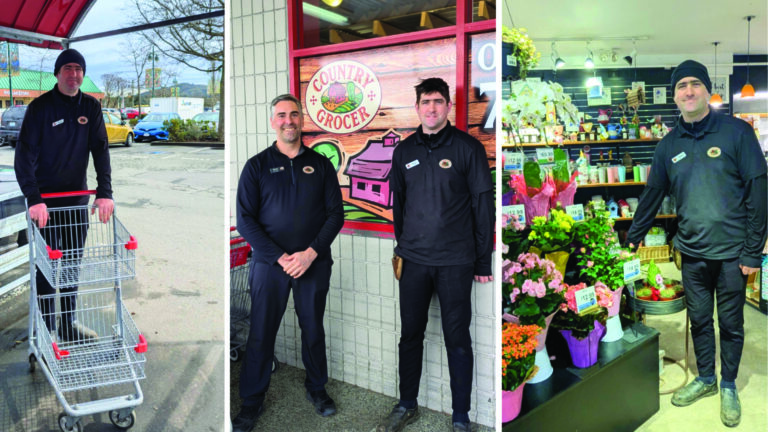
For Employees
For individuals facing additional barriers, such as limited work experience or accessibility needs, the program provides specialized guidance and resources to ensure equitable access to employment opportunities. Our vocational counselors empower job seekers to build confidence, develop marketable skills, and secure sustainable employment.